Sleep essentials Pillow guide
Down Pillows: How Fill Power, Loft, and Care Shape Comfort
A down pillow’s appeal is often immediate: airy softness, a yielding surface, and the promise of a bed that feels beautifully finished. But comfort is more than a cloudlike first impression. Fill power, construction, pillow loft, sleep position, and everyday care all influence how a pillow feels—and how well it keeps that feeling over time.
Choosing a down pillow can seem like a simple matter of softness. In reality, the details behind that softness are worth understanding. Down clusters differ from feathers; fill power describes one characteristic of the filling, not the whole pillow; and a lofty pillow may or may not offer the height and support a particular sleeper prefers. Even the shell, stitching, and care label have a part to play.
Think of a pillow as a small, personal landscape. Its height determines how much space it occupies beneath the head and neck; its filling shapes how readily it compresses and recovers; and its construction influences whether the material stays evenly distributed. The best choice is not necessarily the fullest or most luxurious-sounding option. It is the one whose feel, height, and maintenance requirements suit the person who will use it.
This guide unpacks the vocabulary around down pillows, explains how loft and fill power relate to comfort, and offers a practical approach to choosing and caring for one. The aim is not to prescribe a universal ideal—there isn’t one—but to make the decision more informed and the pillow’s comfort easier to preserve.
First, what is down?
Down is the soft, three-dimensional cluster found beneath the exterior feathers of waterfowl. Unlike a feather, which has a central shaft, a down cluster has fine filaments that radiate from a central point. Those filaments create space that can hold air, giving down its characteristic lightness and insulating quality. The result can feel lofty without being heavy.
Down pillows may be filled with down alone or with a blend that includes feathers. The distinction matters: feather pieces are generally more structured and may produce a firmer, less cloudlike feel, while down clusters are prized for their softness and ability to loft. A blend can balance these qualities, but the exact feel depends on the proportions, quality, and arrangement of the fill.
Labels and product descriptions should be read closely. “Down” and “feather” are not interchangeable terms, and a pillow’s name may not tell the full story of its contents. Look for a clear description of the fill and its composition. If the information is vague, ask the maker or retailer for clarification before deciding.
The outer shell is another part of the experience. A tightly woven fabric helps contain fine filling and can affect the pillow’s crispness, softness, and breathability. Stitching and internal compartments also matter: a well-designed structure can help keep fill from drifting into corners or gathering unevenly. These construction details may be less glamorous than a headline about luxury, but they are central to how a pillow performs night after night.
Fill power, translated
Fill power is a measure of the volume occupied by a given weight of down under standardized testing conditions. It is commonly expressed as a number. In broad terms, a higher fill-power figure indicates down clusters with greater lofting capacity: they can occupy more space for their weight. That quality can contribute to a light, airy feel.
What fill power does not tell you is just as important. It is not a firmness score, a measure of neck support, or a guarantee that a pillow will suit your sleeping position. Nor does it, by itself, tell you how much filling the finished pillow contains. Two pillows with the same fill power may feel quite different if one has more fill, a different shell, a different chamber design, or a different blend of down and feathers.
For this reason, treat fill power as one useful specification—not a verdict. It helps describe the character of the down, but it should be considered alongside the total fill weight, construction, dimensions, and the maker’s guidance about firmness or feel. When available, a return or exchange policy can be helpful, since pillow comfort is personal and difficult to judge from a number alone.
A higher figure may appeal to someone who enjoys a light, lofty sensation. Another sleeper may prefer a lower, more compact pillow that settles closer to the mattress. Neither preference is inherently better. The relevant question is whether the pillow retains a comfortable height when your head rests on it, rather than how impressive its specifications appear on paper.
Loft is the pillow’s profile—not a promise
Loft describes a pillow’s height or thickness. It is tempting to equate a high-loft pillow with abundant support and a low-loft pillow with softness, but those assumptions can mislead. A pillow that looks tall on the bed may compress considerably under the head. Another may have a modest profile yet feel comparatively substantial because its fill resists compression.
Loft is shaped by several factors: the amount and type of fill, the way the pillow is constructed, the firmness of its materials, and how much pressure it receives in use. Over time, natural filling can shift or flatten, especially if a pillow is not regularly aired and fluffed. The listed loft therefore offers a starting point, not a complete picture of the pillow’s feel.
It can help to consider the pillow in its intended setting. A pillow should fit comfortably between the head and the mattress without forcing the neck into an awkward angle. Mattress firmness, shoulder width, and individual anatomy all influence that relationship. So does sleeping position, although position alone cannot determine the right pillow for every person.
Rather than searching for a single ideal height, notice how the pillow behaves once occupied. Does it compress so far that it feels nearly flat? Does it remain so full that it feels as though it pushes the head upward? Does it settle into a position that feels comfortable and easy to maintain? These practical observations are more useful than judging loft by appearance alone.
Matching feel to the way you sleep
Sleep position can offer a helpful first clue when considering pillow loft and firmness, but it should not be treated as a rigid formula. People shift during the night, and preferences differ even among those who sleep in similar positions. The aim is to find a pillow that feels comfortable and keeps the head and neck in a relaxed, neutral-feeling position for you.
- Side sleepers may want to consider whether the pillow has enough height to fill the space between the head and shoulder without feeling excessively firm or elevated. A pillow that compresses substantially may feel different after settling than it did when first placed on the bed.
- Back sleepers often look for a more moderate profile, though the preferred amount of loft varies with body shape, mattress feel, and personal comfort. A pillow that is too full for the individual can feel intrusive; one that is too flat may not feel substantial enough.
- Stomach sleepers may prefer a lower, more compressible pillow, or sometimes little to no pillow, depending on what feels comfortable. A thick pillow can create an unwanted sense of elevation for some people.
- Combination sleepers might value a pillow that can be repositioned and refluffed as they change positions. A supple down fill may make that adjustment easy, but the result still depends on construction and fill quantity.
These are starting points, not rules. If a pillow leaves you uncomfortable, do not assume that your sleep position means you must adapt to it. Try assessing the pillow over several ordinary nights, allowing time to understand how it compresses and whether its height remains comfortable. Persistent pain, numbness, or other concerning symptoms warrant advice from an appropriate health professional; a pillow guide cannot diagnose or treat a medical issue.
Construction details deserve a closer look
Two pillows can use down and still have distinctly different personalities. The way the filling is arranged influences how a pillow responds when pressed, turned, or shaken. A simple single-chamber design may allow the fill to move freely, making it easy to reshape but potentially more prone to shifting. A multi-chamber construction can separate materials or create a more defined center and perimeter.
Neither arrangement is automatically superior. The right choice depends on whether you prefer a pillow that feels fluid and adjustable or one with a more consistent structure. If a description mentions chambers, ask what each contains and how the design is intended to affect the feel. Clear construction information is more useful than vague promises of “ultimate comfort.”
Check the dimensions as well. Standard pillow sizes vary by region and manufacturer, and a pillow that fits a particular case may feel different from one that has more room to expand. A snug pillowcase can constrain loft; an overly generous case can allow the pillow to shift. Choosing a well-matched cover helps the pillow sit neatly and makes the bed feel considered rather than crowded.
Finally, examine the care instructions before purchase. Down can be long-lasting with suitable care, but the exact cleaning method depends on the product. Some pillows may be machine washable; others may require professional cleaning or particular drying conditions. Care labels are not decorative fine print—they are part of the product’s practical design.
A considered care routine
Regular, gentle care can help a down pillow retain its shape and feel. Start with the maker’s instructions, since fill, shell fabric, and construction differ. Do not assume that all down pillows can be washed in the same way, or that an item marked “washable” can be treated as an ordinary load of laundry. When in doubt, consult the manufacturer before cleaning.
Fluff it, rather than flattening it
Give the pillow a light shake and fluff it regularly to redistribute the filling. Hold opposite corners and gently move them toward one another, then repeat with the other sides. A few easy squeezes can help restore loft. Avoid aggressive twisting or pulling at the shell, which may stress seams and does little to improve the filling.
Use a protective cover
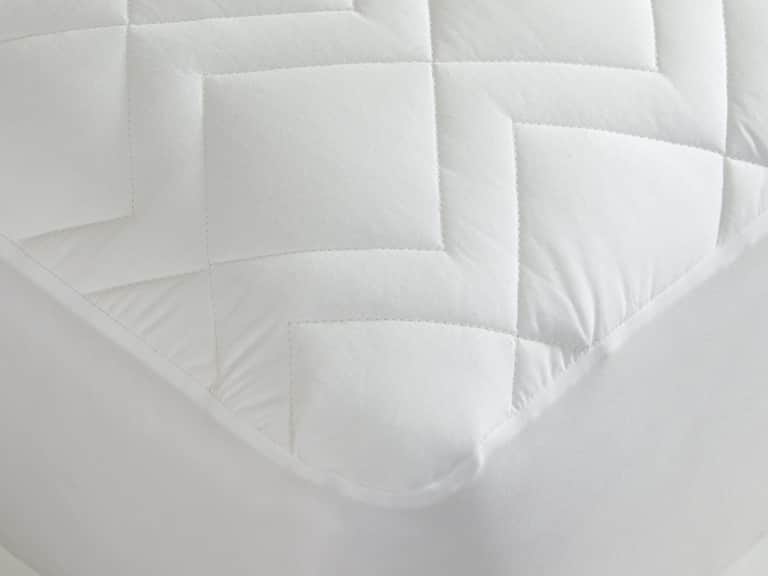
A washable pillow protector beneath the pillowcase adds a practical barrier against everyday oils, perspiration, and dust. It can also reduce how often the pillow itself needs washing. Choose a protector that fits the pillow without compressing it, and launder the cover according to its own care label. The pillowcase and protector are the layers closest to daily use, so keeping them fresh is a simple, effective habit.
Wash only when permitted
If the care label allows washing, follow the stated temperature, cycle, detergent, and machine guidance. Avoid improvising with bleach or fabric softener unless the manufacturer explicitly permits them. Take care not to overload the washer, as a pillow needs room to move and rinse properly. If home washing is not recommended, use the cleaning method specified by the maker instead.
Dry thoroughly
Drying is especially important for down. Moisture left inside the fill can encourage clumping and create an unpleasant odor. Follow the label’s drying instructions closely and allow enough time for the pillow to become completely dry. If tumble drying is approved, periodic checks and gentle redistribution of the fill can help it dry evenly. Do not put a pillow away or cover it while any part still feels damp.
Between washes, airing a pillow in a dry, well-ventilated space may help refresh it. Avoid prolonged exposure to conditions that could damage the shell or filling, and follow the maker’s advice about sunlight and heat. The goal is a clean, dry pillow—not an elaborate regimen that risks damaging a delicate item.
When a pillow needs more than a fluff
Some flattening or shifting can happen with regular use, but a pillow that no longer regains its shape may be nearing the end of its useful life. Pay attention to persistent clumping, damaged seams, a lingering odor after proper cleaning, or a profile that no longer feels comfortable. These signs do not appear on a fixed schedule; how long a pillow lasts depends on its quality, construction, frequency of use, and care.
Before replacing it, check whether the problem is actually the pillowcase, protector, or bedding arrangement. A tight cover may limit loft, while a loosely fitting case can make the pillow feel unstable. If the pillow is clean and intact but seems uneven, gentle redistribution may be enough. If it remains lumpy or uncomfortable despite appropriate care, replacement may be the more sensible option.
Comfort can change, too. A different mattress, a new sleep routine, or simply a shift in preference may alter the height that feels right. Reassess the pillow based on how it feels now rather than expecting it to suit every stage of life or every bed in the same way.
A thoughtful checklist before you choose
When comparing down pillows, move beyond a single headline specification. A concise checklist can bring the decision into focus:
- Read the fill description. Confirm whether the pillow contains down, feathers, or a blend, and look for clear composition details.
- Interpret fill power carefully. Use it to understand the down’s lofting capacity, not as a stand-in for firmness or support.
- Consider total fill and construction. The quantity of filling and its arrangement affect how the pillow compresses and recovers.
- Think about your preferred loft. Consider sleep position, mattress feel, and what feels comfortable when the pillow is actually in use.
- Check the shell and dimensions. Fabric, stitching, and fit can influence the pillow’s feel and how neatly it sits in a pillowcase.
- Review care requirements. Make sure the recommended washing and drying routine is realistic for your household.
- Understand return terms. If possible, choose a seller with clear, fair guidance for evaluating a pillow at home.
The quieter luxury of a well-chosen pillow
The appeal of a down pillow lies in its particular balance of lightness and softness, but the most beautiful version of that experience is personal. Fill power can explain something about the down; loft describes the pillow’s profile; construction determines how the fill behaves; and care helps maintain the result. Each detail contributes, none decides everything.
Choose with curiosity rather than chasing the largest number or the puffiest silhouette. Consider how you sleep, how much height feels comfortable, and whether the pillow’s care needs fit your routine. Then give it the simple attention it deserves: protect it with a cover, fluff it gently, and follow the instructions when cleaning is needed.
A pillow is an intimate object, used night after night and rarely given much thought once it feels right. That is precisely why the details matter. When loft, feel, and care align with your preferences, comfort becomes less about a label and more about a small, dependable pleasure at the end of the day.