Why Material Choice Matters
In the world of sleep, the surface you rest upon is not merely a backdrop—it is the stage for your nightly performance. The right mattress material translates into better pressure distribution, targeted support zones, and a climate that whispers rather than shouts. The modern consumer stands at a crossroads where comfort meets science, and the choices you make can influence spinal alignment, movement isolation, and even your sleep cycle patterns.
This guide centers three protagonists—memory foam, latex, and hybrid builds—each with a distinct personality. Memory foam offers contour and motion control; latex delivers a springy, breathable resilience; hybrids fuse foam or latex with innerspring coils for a complex performance. Below, we dissect what to expect in terms of feel, durability, and practical care, so you can select a foundation that suits your sleep posture, temperature preferences, and lifestyle.
Memory Foam: The Cloud That Forges Contours
Memory foam has long been the darling of contouring comfort. Its viscoelastic properties respond to heat and pressure, softening under your body to cradle curves and relieve pressure points. The result is a plush, enveloping feel that many associate with a sense of security and sleep latency reduction. Yet, this material is not all softness; its performance hinges on density, cell structure, and the specific formulation of the foam.
Key considerations include density and indentation resistance. Higher density foams (often 4 to 5 pounds per cubic foot, and above) tend to offer longer-lasting support and better contour without collapsing into a hollow. Density also correlates with durability and potential heat retention: denser foams can trap more heat, while newer formulations often incorporate cooling infusions or open-cell structures to counteract this tendency.
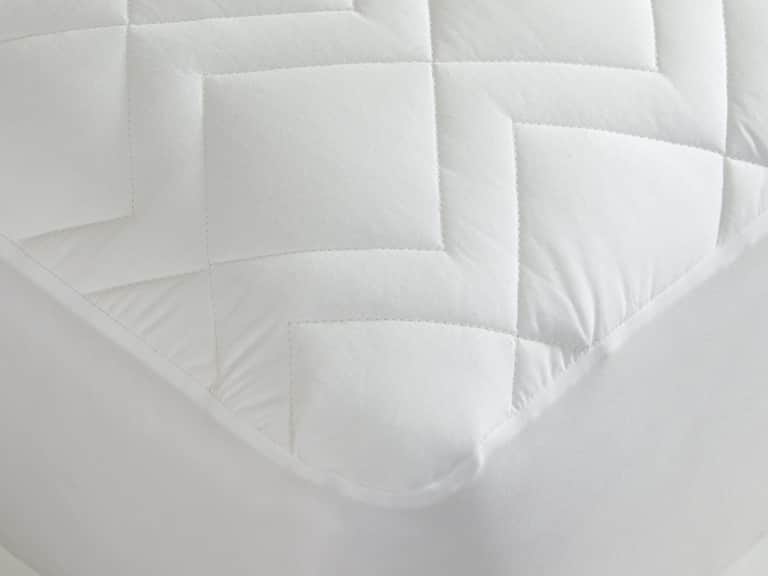
Care and longevity for memory foam favor breathable covers, mattress protectors, and proper rotation. While foam is generally resilient, localized compression from heavy use or misalignment can cause permanent indentations if the mattress remains in a compromised position for extended periods. When shopping, look for certifications and independent lab testing that verify content and emissions, such as CertiPUR-US, to separate marketing claims from measurable quality.
Latex: The Breathable, Bounce-Back All-Star
Latex replaces the surrendering feel of foam with a resilient, buoyant response that many sleepers adore. It is naturally breathable thanks to its cellular structure and porous composition, which encourages airflow and helps regulate temperature. Latex mattresses can be either Dunlop or Talalay processed, and they may be 100% natural or blends.
The two primary processing methods influence feel and density. Dunlop tends to be denser and slightly firmer, while Talalay offers a more consistent, softer top layer with a lighter feel. Latex is also durable and tends to resist sag over time better than many foam foams, provided the density is appropriate and the overall construction is sound. For sleepers with allergies, natural latex options in conjunction with organic covers can create a clean, breathable sleep surface.
Care tips for latex emphasize avoiding harsh chemical cleaners that could degrade the latex over time. Instead, protect with a breathable, washable cover and rotate the mattress occasionally to ensure even wear. Certifications like GOLS (Global Organic Latex Standard) can provide assurance about organic sourcing and production practices.
Hybrid: The Couture of Sleep Technology
If a single-material narrative feels too narrow, the hybrid bed writes a new chapter. Hybrids blend foam or latex comfort layers with an innerspring system, marrying contouring with lift and bounce. The coils deliver zoned support and ease of movement, while the top foam or latex layers manage pressure relief, temperature, and edge support. Hybrids are a practical compromise for couples with different preferences or for sleepers who crave both body conformance and the liveliness of traditional coil systems.
Durability for hybrids hinges on coil count, gauge, and the interaction between the support core and the comfort layers. A well-designed hybrid uses reinforced edge support to prevent sag along the sides and a high-quality top layer to maintain surface feel. If you share a bed with a partner that moves frequently, a hybrid can help mitigate motion transfer while preserving responsiveness.
Care routines for hybrids are straightforward: rotate regularly, protect with a resistant cover, and ensure proper foundation or bed frame to avoid misalignment. When evaluating hybrids, read about the coil system, the transition between layers, and the certifications for the comfort materials to assess long-term performance and safety.
Certifications: The Quiet Seal of Trust
In the wardrobe of sleep products, certifications are the little black dress that never goes out of style. Look for independent testing that verifies emissions, composition, and safety. CertiPUR-US, GREENGUARD Gold, and OEKO-TEX are among the benchmarks buyers rely on to differentiate between marketing gloss and verifiable standards.
Beyond chemical safety, consider certifications that reflect environmental and ethical sourcing, such as GOTS for textiles and GOLS for latex. These labels help consumers understand the provenance and production ethics behind the materials, aligning comfort with responsible design.
Reading the Labels: A Quick-Reference Glossary
- Density: A measure of material weight per cubic foot; higher density often indicates durability and support.
- Indentation Force Deflection (IFD): A metric of how much the material compresses under weight, related to feel and support.
- Motion Transfer: How well the surface isolates movement; lower transfer indicates less partner disturbance.
- Edge Support: Structural strength at the mattress perimeter; crucial for seating and side access.
- Open-Cell Structure: A foam architecture that enhances breathability and temperature regulation.